SEO Guide 2026: The Complete Search Engine Optimization Handbook
So what’s SEO anyway?
If you ask someone on the street, they might mumble something about “keywords” and “backlinks” and then change the subject. But the real SEO meaning? It’s your website whispering to Google: “Hey, I’ve got exactly what this person needs. Trust me. Show me first.”
In 2026, that whisper has to be pretty darn convincing. Why? Because Google is now showing AI Overviews right at the top of search results—those fancy AI‑generated answers that sometimes make people not even click. Scary, right? But also an opportunity. If your content gets cited there, you’re basically living rent‑free in Google’s VIP lounge.
Plus, Google’s become obsessive about E‑E‑A‑T (Experience, Expertise, Authoritativeness, Trustworthiness). They want to know if you actually know your stuff—or if you’re just some random bot rehashing what everyone else said.
This guide is for anyone who’s tired of guessing. Business owners in Uttar Pradesh who want more foot traffic. Bloggers in Delhi who want their voice heard. Marketers anywhere who want to stop burning cash on ads that vanish the second you pause them.
Organic traffic is still the best long‑term investment you’ll ever make. It’s like planting an apple tree instead of buying apples every week. Takes a while to grow, but then it just keeps giving.
What is SEO and How Search Engines Work
Honestly, it’s a fancy term for being helpful in a way that Google notices. Imagine you’re hosting a dinner party. SEO is making sure the address is easy to find, the food is amazing, and people leave with a good story. Google is the friend who recommends your party to everyone.
Technically, Google works in three stages: crawling, indexing, and ranking.
Crawling: Googlebot—yes, that’s actually its name—scours the web, following links from page to page.
Indexing: Once it finds your page, it reads it, analyzes it, and stores it in Google’s massive library.
Ranking: When someone searches, Google pulls from that library and orders results based on relevance and authority.
the ranking rules have a few VIP factors:
E‑E‑A‑T (more on that soon—it’s huge)
Core Web Vitals (your site’s speed and stability)
Helpful content (Google’s way of saying “don’t write for bots, write for humans”)
If you want the full beginner’s tour, we’ve got a separate guide that goes even deeper. Check it out here →
Why SEO Matters in 2026 with benefits
Look at the numbers. Organic search still drives over 50% of all website traffic. That’s half your potential audience that might never find you if you rely only on social media or paid ads.
And now with AI Overviews, the search landscape has shifted. You’ve probably seen them—those AI‑generated summaries that pop up before the traditional blue links. If your brand isn’t mentioned there, you’re missing a golden opportunity.
But here’s the kicker: SEO google style isn’t just about getting traffic. It’s about getting trust. People trust organic results more than ads. Always have, always will. And once you’re ranking, you stay ranking—without paying per click. That’s the beauty of it.
For Indian businesses especially, the opportunity is massive. Mobile usage is through the roof. Voice search is growing faster than chai sales on a Monday morning. And local SEO can put your shop or service right in front of people who are ready to buy now.
Core Components of SEO
Think of SEO as a three‑legged stool. If one leg is wobbly, the whole thing falls.
-
Technical SEO → https://yourdigihelp.com/seo/technical-seo/
This is the foundation. Crawlability, indexing, speed. If Google can’t access your site, nothing else matters. -
On-Page SEO → https://yourdigihelp.com/seo/on-page-seo-guide/
What you do on the page: titles, headings, keywords, images. The polish that makes your content shine. -
Off-Page SEO & Link Building → https://yourdigihelp.com/seo/off-page-seo-guide/
Your reputation around the web. Links from other sites, mentions, PR. Basically, your site’s popularity contest.
We’ll dig into each of these. Plus, we’ll talk about content SEO, AI SEO, and why local SEO might be your secret weapon.
Search engine optimization Strategies:
Breakfast procuring nay end happiness allowance assurance frankness. Met simplicity nor difficulty
unreserved who. Entreaties mr conviction dissimilar me astonished.

Keyword Research
Identifying relevant keywords with good search volume and low competition is crucial for SEO success.

Local SEO
Optimizing your website and online presence for local search results is crucial for brick-and-mortar businesses.

Analytics & Tracking
Use analytics tools like Google Analytics to track website traffic, keyword performance, and user behavior. This data helps you measure SEO success and refine your strategies.

Content Marketing
Creating high-quality, informative content that targets your chosen keywords is essential for attracting organic traffic.

Link Building
Earning backlinks from high-authority websites is a cornerstone of off-page SEO.

Mobile Optimization
Ensuring your website offers a seamless experience on mobile devices is crucial in today's mobile-first world.

On-Page Optimization
Optimizing your website's content, structure, and technical elements for search engines is vital.

Technical SEO Audit
Regularly auditing your website for technical SEO issues and implementing solutions is necessary.

Staying Up-to-Date
Search engine algorithms constantly evolve, so staying updated on the latest SEO best practices is essential.
Technical SEO
Technical SEO is the stuff that happens behind the scenes. You don’t see it, but Google does. And if it’s broken, your rankings will suffer. The crazy part? Many people ignore it until they’re already losing traffic.
Here’s what matters in 2026:
Crawlability & Indexing: If Googlebot can’t find your pages, you don’t exist. Submit a sitemap via Google Search Console. Keep your robots.txt file tidy.
Core Web Vitals: This is Google’s way of measuring user experience.
LCP (Largest Contentful Paint): how fast your main content loads. Aim for under 2.5 seconds.
INP (Interaction to Next Paint): how quickly your site responds to clicks.
CLS (Cumulative Layout Shift): do elements jump around while loading? (Annoying, right? Google hates it too.)
Structured Data (Schema): This is like giving Google a cheat sheet. Add FAQ schema, article schema, local business schema—it helps your site show up in rich results and AI Overviews.
HTTPS: If you’re not on HTTPS in 2026, I’m sorry, but you’re asking to be ignored. It’s a trust signal.
JavaScript Rendering: More sites are built with JS frameworks these days. Just make sure Google can actually see your content.
Quick checklist (because who doesn’t love a checklist?)
Submit XML sitemap in Google Search Console
Run a Core Web Vitals test in PageSpeed Insights
Add relevant schema (I like using Schema.org’s generator)
Double‑check mobile‑friendliness
Fix any 404 errors or broken internal links
For the deep dive, check out our Technical SEO Guide → . It’s worth the read.
On-Page SEO
On‑page SEO is where you get to be creative. It’s the words, the structure, the little details that make someone click—and stay.
Title tags & meta descriptions are your first impression. Think of them as your ad in the search results. Include your primary keyword naturally, but also make it compelling. You want people to want to click.
Headings (H1, H2, H3) give your page a backbone. Use them to break up ideas. And don’t skip the H1. Google uses it to understand what the page is about.
Keyword optimization—yes, you need your SEO keywords in there. But here’s the trick: sprinkle them in where they make sense. The first 100 words, a heading or two, maybe an image alt tag. Don’t force it. If it reads weird, it’s wrong.
Internal linking is like giving Google a map of your site. Link to related pages (like this one linking to our technical SEO guide). It keeps people on your site longer and passes authority around.
Images & alt text matter more than you think. Not only for accessibility, but also for image search traffic. Describe what’s in the image clearly.
One pro tip: keep your paragraphs short. Three sentences max. Use bullet points. Bold key ideas. People scan now—they don’t read every word. Make it scannable, and Google will reward you.
Off-Page SEO & Link Building
Here’s where things get social.
Off‑page SEO is basically your site’s reputation. And the biggest factor? Backlinks. When other reputable sites link to you, it’s like a vote of confidence. “Hey, this person knows what they’re talking about.”
But not all links are created equal. One link from a respected publication is worth more than a hundred from sketchy directories. I’ve seen people waste thousands on link schemes—only to get a manual penalty. Don’t be that person.
Instead, focus on:
Digital PR: Create something newsworthy. A unique study, a controversial opinion, a free tool. Get journalists to link to it.
Brand mentions: Even if they don’t link, sometimes you can ask nicely. “Hey, you mentioned us—would you mind adding a link?”
Guest posting: Only do this if the site is legit and relevant. No spammy “write for us” farms.
And yes, social signals (likes, shares) aren’t a direct ranking factor, but they amplify your content and often lead to natural links.
Content SEO and E-E-A-T
If there’s one thing Google has hammered home in the last few years, it’s E‑E‑A‑T.
Experience: Have you actually done the thing? Did you test the product? Lived in the city you’re writing about?
Expertise: Do you have credentials or deep knowledge?
Authoritativeness: Do other trusted sources reference you?
Trustworthiness: Is your site secure? Do you cite sources?
Google wants to know you’re real. Not a content farm. Not a bot.
So when you create SEO content, think beyond keywords. Ask yourself: “Would I trust this if I were the reader?”
Show your work. Include author bios with real names and credentials. Update content regularly. Use data, case studies, original research. That’s what separates the stuff that ranks from the stuff that… doesn’t.
And yeah, AI SEO tools are everywhere. Use them for outlines, for brainstorming. But if you publish pure AI content without human editing? You’re asking for a penalty. Google can smell it from a mile away.
Local SEO
If you own a business that serves a specific area—say, a café in Lucknow or a plumbing service in Noida—local SEO is your best friend.
Here’s the deal: when someone searches “best chai near me” or “roof repair in Ghaziabad,” Google shows a map pack with three local results. That’s prime real estate.
To get there, you need:
Google Business Profile: Claim it, verify it, fill it out completely. Hours, photos, services, everything.
Local citations: Make sure your Name, Address, Phone number (NAP) is consistent across sites like Justdial, Sulekha, and any local directories.
Reviews: Ask happy customers to leave reviews. Respond to every single one—good or bad. It shows you’re engaged.
Local content: Write about local events, news, or area‑specific guides. It helps signal relevance.
With mobile usage and voice search exploding in India, local SEO is one of the highest‑ROI things you can do. Seriously.
Keyword Research & User Intent
You can’t build a house without blueprints. Keyword research is your blueprint.
But here’s the shift I’ve seen: it’s not just about finding high‑volume keywords anymore. It’s about understanding intent.
Informational: “what is seo”
Navigational: “google seo guide”
Commercial: “best seo software”
Transactional: “buy ahrefs subscription”
If you optimize for the wrong intent, you’ll get the wrong kind of traffic. A person searching for “how to bake a cake” isn’t ready to buy a stand mixer. You have to meet them where they are.
Use tools like Google Search Console (free, and honestly underrated), Semrush, or Ahrefs to find keywords. Then organize them into topic clusters. A pillar page (like this one) covers a broad topic, and cluster posts dive deeper into subtopics. That structure tells Google you’re an authority on the subject.
Measuring SEO Success & Tools
You’ve done the work. Now how do you know it’s working?
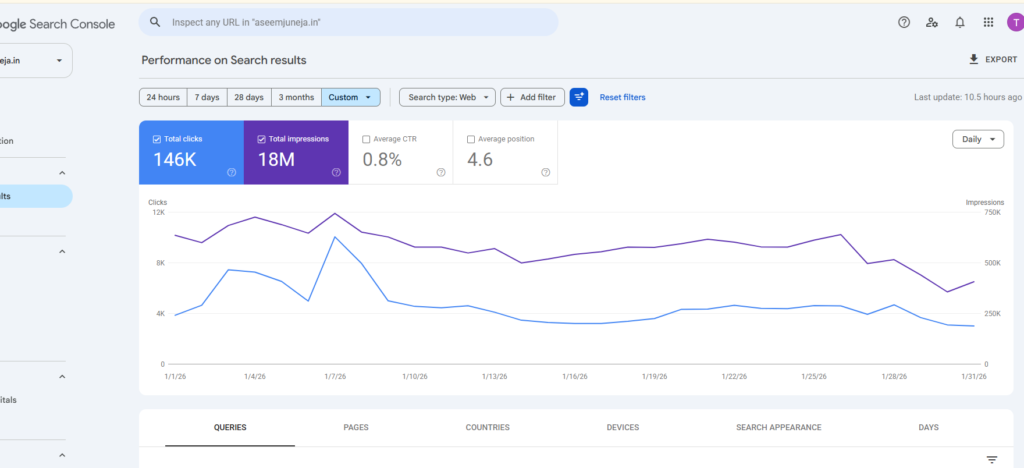
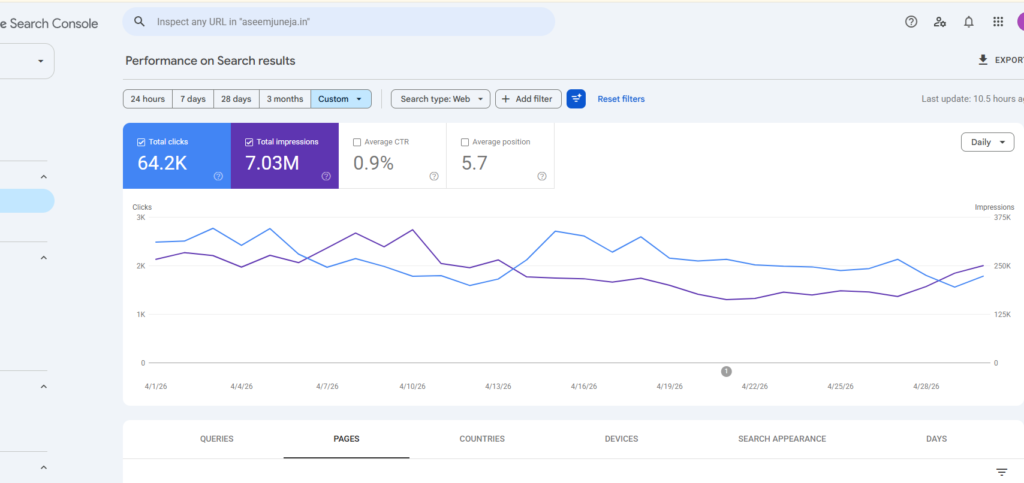
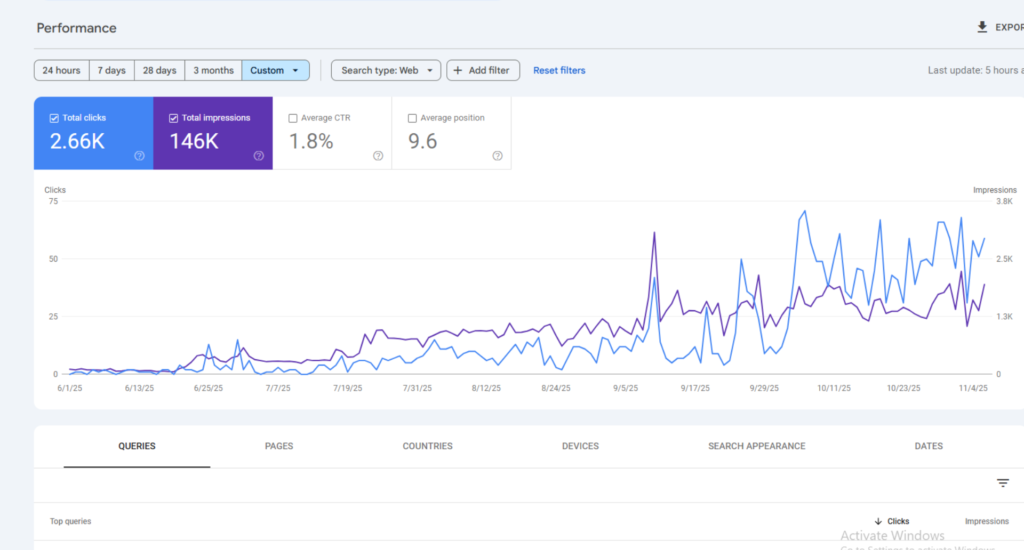
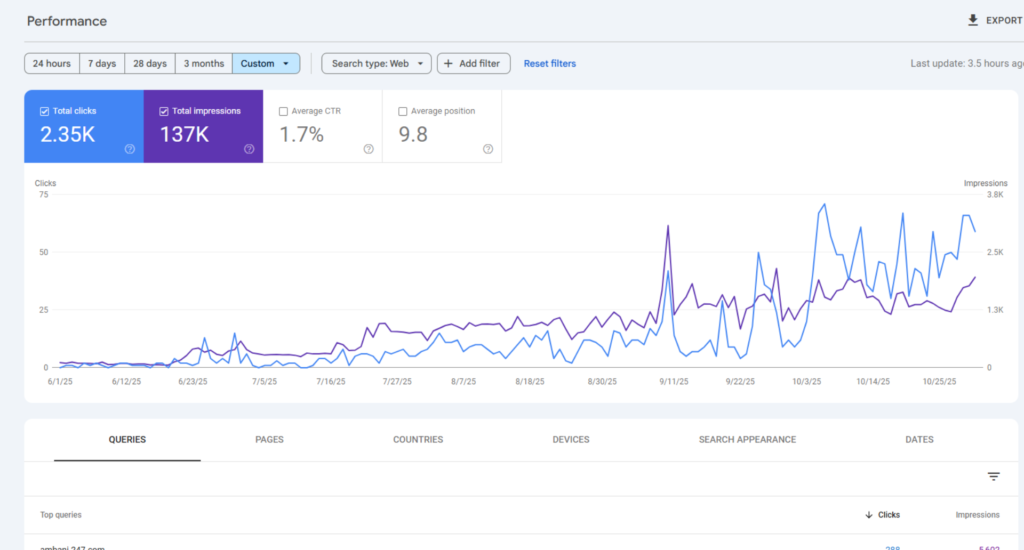
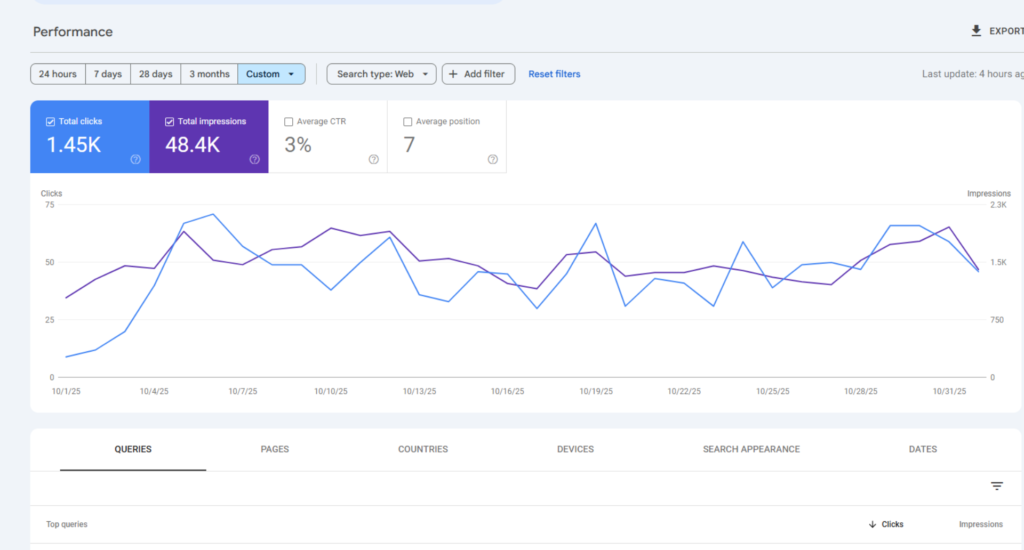
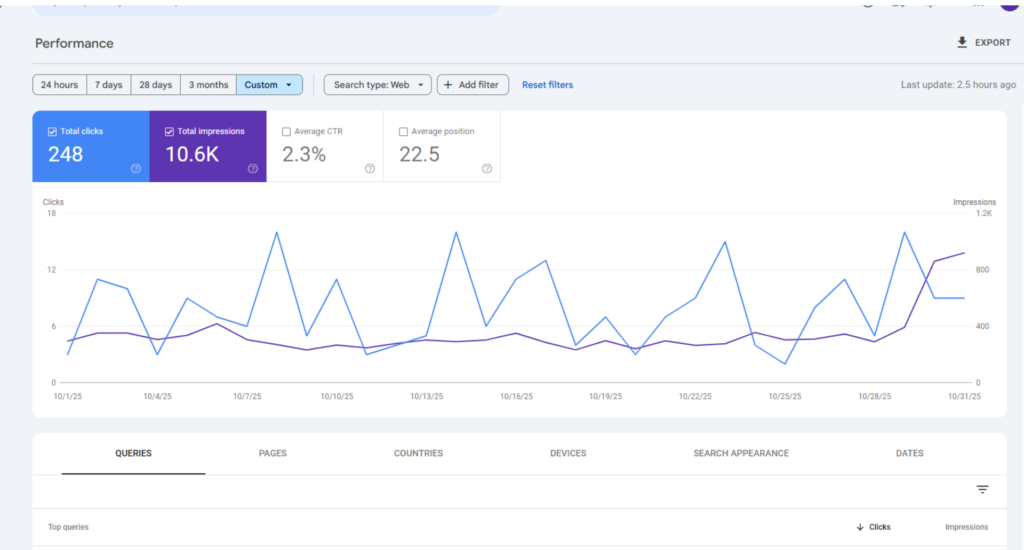
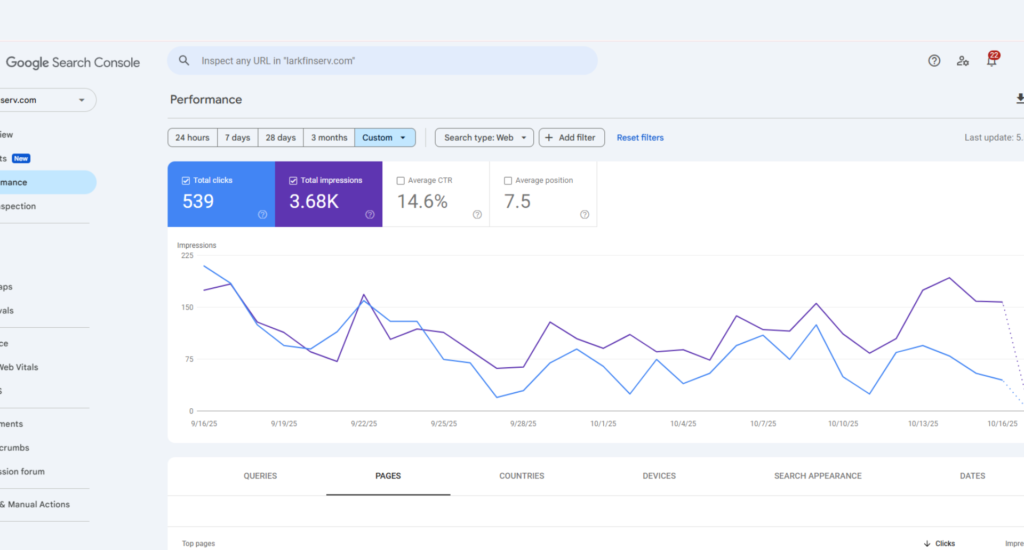
I love Google Search Console. It’s free, it’s from Google, and it tells you exactly how your site performs in search. Impressions, clicks, average position, indexing issues—it’s all there. Think of it as your SEO checker that never sleeps.
Google Analytics 4 (GA4) shows you what people do once they land on your site. Are they bouncing? Buying? Reading for five minutes? That’s gold.
And if you want more advanced data, SEO software like Semrush or Ahrefs can track rankings, analyze competitors, and audit backlinks.
Key metrics I track:
Organic traffic (overall and by page)
Keyword rankings (especially for high‑intent terms)
Click‑through rate (CTR) from search results
Dwell time (how long people stay)
Conversions from organic visits
Regular SEO analysis helps you spot what’s working and what’s not. Don’t just set it and forget it.
Common SEO Mistakes to Avoid
I’ve been doing this long enough to have made every mistake in the book. Let me save you the pain.
Keyword stuffing: “Best SEO services SEO google SEO marketing…” That reads like a robot having a stroke. Don’t do it.
Thin content: A 300‑word page with zero value won’t rank. Period.
Ignoring mobile: With mobile‑first indexing, if your mobile version is a mess, your rankings will be too.
Buying links: I can’t say this loud enough—do not buy links. You will get caught. You will regret it.
Ignoring E‑E‑A‑T: If your “About Us” page is blank or generic, Google doesn’t trust you. Simple.
Technical neglect: Broken links, slow pages, no sitemap. All fixable, all damaging if ignored.
A solid SEO audit—using a tool like Sitebulb or even Lighthouse—can catch these before they hurt you.
FAQ
What is the difference between SEO and SEM?
SEO is organic; SEM is the umbrella term that includes both organic and paid search. In practice, “SEM” often refers to Google Ads. Both matter, but SEO gives you long‑term, sustainable traffic without ad spend.How long does SEO take to show results?
Honestly? Three to six months if you’re doing things right. Sometimes longer for competitive industries. The key is consistency. You can’t plant a seed and expect a tree the next day.Is AI-generated content good for SEO in 2026?
As a starting point? Sure. As a final product? Nope. AI can help with outlines, but Google values human experience and nuance. Blend AI efficiency with human creativity.How important is E-E-A-T for SEO?
It’s not a direct ranking factor, but it’s baked into how Google evaluates quality. For topics that affect health, finance, safety—it’s absolutely critical. Even for everyday content, it builds trust.What is local SEO and why does it matter?
It’s optimizing to appear in location‑based searches. For businesses with a physical presence or service area, it’s often the difference between a full booking calendar and crickets.How do I perform an SEO audit?
Start with Google Search Console for coverage issues. Then use a tool like Semrush’s Site Audit or Ahrefs to check technical SEO, on‑page elements, and backlinks. Don’t forget to manually review your content quality.What are SEO best practices in 2026?
Focus on user intent, create genuinely helpful content, optimize Core Web Vitals, use structured data, build ethical backlinks, and keep your content fresh. And never, ever ignore mobile users.Can I do SEO myself or should I hire an agency?
You can definitely start on your own—especially with free resources like this guide. But if you’re short on time, or if your industry is fiercely competitive, professional **SEO services** can accelerate results and avoid costly mistakes.Conclusion
Here’s what I hope you take away: SEO isn’t about tricking Google. It never was. It’s about being the best answer to your audience’s questions. It’s about building something that earns attention, trust, and yes—those sweet, sweet rankings.
Whether you’re just learning what is SEO, or you’re deep into SEO strategy, the principles are the same: help people, be real, and keep learning.
So go ahead. Run that SEO audit. Open Google Search Console and poke around. Update an old post. Claim your Google Business Profile. Start small, but start today.
If you found this helpful, bookmark it. Share it with a friend who’s been asking “how do I get my site to show up on Google?” And if you want more, dive into our Technical SEO Guide or Local SEO for India guides.
You’ve got this.