
AI Search Wars, Stupid SEO Tricks, and the "Nano of Tech" Nobody Asked For: February 2025 Recap
The search landscape moved fast last month—here's what you need to know (and what you can safely ignore)
Table of Contents
ToggleIf you blinked, you might have missed it. February 2025 brought a whirlwind of announcements from Google, Microsoft, and every SEO influencer with a Twitter account. Some updates genuinely matter for your strategy. Others? Well, let’s just say they’re better at creating panic than improving rankings.
I’ve sifted through everything that happened last month—the core updates, the controversies, the penalties, and the features nobody asked for—to bring you the signal through the noise. Here’s your human-friendly, no-fluff breakdown of February’s SEO developments.
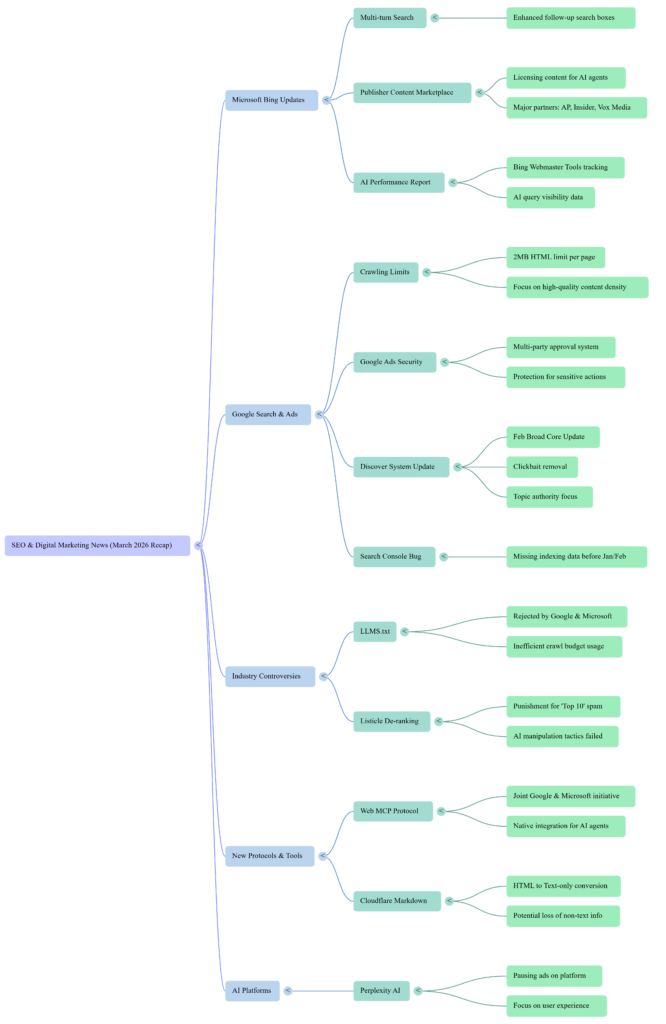
Microsoft’s Quiet (But Important) Updates
Multi-Turn Search Arrives on Bing (February 2)
Microsoft Bing quietly launched a feature that actually makes sense: multi-turn search. You’ll now see follow-up search boxes that encourage continuous searching without starting over.
What this means for you: If you’re optimizing for Bing specifically (and let’s be honest, most of us aren’t), think about creating content clusters that naturally lead users down related paths. Bing wants to keep people searching—give them reasons to stay.
The Publisher Content Marketplace (February 3)
Here’s something worth watching. Microsoft launched a marketplace where publishers can list their unique content and charge AI agents and browsers for access.
Major players like Associated Press, Business Insider, and Hearst Magazines are already getting paid. The catch? As SEO analyst Amit points out, this idea only works industry-wide if Google eventually plays ball. Without Google’s participation, publishers face a fragmented system where they’d need separate deals with every search engine.
Bottom line: If you’re a small publisher, don’t expect checks anytime soon. But if you produce genuinely unique, high-value content, this trend is worth monitoring.
AI Performance Reports in Bing Webmaster Tools (February 10)
Bing added a report showing which AI queries trigger your website in Copilot search results. Sounds useful, right?
Not so fast. Amit raises three solid reasons to take this data with a grain of salt:
Bing’s traffic remains a fraction of Google’s
Data often gets anonymized to the point of inaccuracy
Bing’s user demographics and search behavior simply don’t mirror Google’s
Practical takeaway: Look at the report if you’re curious. Don’t build your content strategy around it.
Google’s Core Moves and Bug Fixes
The 2MB HTML Crawling Limit Panic (February 4)
Google announced it will only crawl the first 2MB of HTML files and ignore the rest. Cue the SEO panic.
Here’s the reality check: A 2MB HTML file holds roughly 2 million characters. For perspective, the massive NDTV homepage uses less than 1 million. Unless you’re doing something truly unusual with your code, this change affects approximately zero websites.
What actually matters: Focus on clean, efficient HTML. You probably weren’t hitting this limit anyway.
Google Ads Gets Multi-Party Approval (February 4)
Security update worth celebrating: Google Ads now requires multiple admins or managers to approve sensitive actions like adding users or changing access levels.
If someone doesn’t approve within the timeframe, the action automatically gets rejected. This prevents the nightmare scenario where a hacked single account leads to complete campaign takeover.
Action step: Review your Google Ads account settings. Make sure you have at least two trusted people who can approve changes. This protects your ad spend and your sanity.
The February Discover Core Update (February 5–27)
This was the big one. Google spent most of the month rolling out a Broad Core Update specifically targeting Google Discover.
The goals were clear:
Remove clickbait articles from Discover feeds
Restrict multi-niche websites so content only appears for their primary authority area
Example: If you’re a news site publishing mostly Bollywood gossip, you’ll stop showing up for political or financial topics in Discover.
Has it worked? Early reports suggest… not really. Fake clickbait posts remain visible. As Amit notes, we haven’t seen solid improvements yet. This may take additional iterations before the spam actually disappears.
Your move: If you rely on Discover traffic, double-check that your content aligns with your site’s core authority. Don’t chase trending topics outside your niche just for quick views.
Search Console Indexing Bug (Ongoing)
Many users noticed their Indexing reports showing zero indexed pages before December 15 or January 15. Cue more panic.
Google confirmed this is a known bug. Your pages weren’t actually de-indexed. The reporting interface just broke.
Lesson learned: Always check official Google channels before assuming the worst. Sometimes a bug is just a bug.
AI-Powered Configuration in GSC (February 17)
Google rolled this out to everyone. The verdict from SEO professionals? Underwhelming.
Standard Search Console knowledge still beats whatever AI suggestions Google offers here. If you understand your data, you don’t need this feature. If you don’t understand your data, this feature won’t fix that.
Joint Industry Developments
The Web MCP Protocol (February 10)
Here’s something genuinely forward-looking. Microsoft and Google jointly introduced the Web MCP protocol—two APIs that make websites natively accessible to AI agents.
The goal: Let AI interact with websites quickly without wasting tokens on unnecessary crawling. Early access testers (including Amit) are exploring this before its public launch in late 2026.
Why this matters: We’re watching search evolve from “crawling pages” to “direct API interactions.” The next two years will fundamentally change how AI discovers your content.
Industry Controversies You Can Safely Ignore
The LLMs.txt Debate
SEO influencers went hard on promoting llms.txt files—markdown versions of websites specifically for AI consumption.
Then Google and Microsoft executives called the idea “stupid.” Their reasoning? Crawling an HTML page AND a separate markdown version wastes crawl budget for zero benefit.
Takeaway: Influencers love selling solutions to problems you don’t have. Always ask: “Does this actually help users or search engines?” If the answer is no, keep scrolling.
Perplexity Pauses Ads (February 18)
Perplexity announced it’s pausing ads to improve user experience. The SEO community debated this like it mattered.
Amit’s analogy says it best: Perplexity is the Nano car trying to race alongside BMW and Audi (Google and ChatGPT). Interesting concept. Not relevant to your daily rankings.
Real Penalties That Actually Hurt
The Fake Listicle Crackdown
Google started heavily penalizing manipulative “Top 10” listicles. You know the type:
A digital marketing agency ranks itself #1, then lists random competitors below it to trick AI and search engines into thinking this is authoritative content.
Sites using this tactic lost rankings and traffic fast.
The fix: Create genuine listicles that actually help users. Real recommendations. Real value. If you wouldn’t show it to a client, don’t publish it.

Other Platform News
Cloudflare’s Markdown Conversion (February 12)
Cloudflare launched a system that automatically converts your HTML to markdown when AI agents request it.
Sounds helpful? Amit raises a smart concern: AI agents mimicking real users might miss crucial elements—infographics, interactive tools, forms—if they only consume stripped-down text versions.
What this means: Monitor how AI represents your content. If Cloudflare’s version strips away your unique value, you lose the context that makes your site special.
The Bottom Line From February’s Updates
Three themes emerge from last month’s chaos:
AI integration is accelerating—but most features aren’t ready for prime time
Quality signals still matter most—clickbait and manipulative tactics continue losing ground
Don’t panic over bugs or influencer hype—check official sources first
The sites winning right now aren’t chasing every trend. They’re creating genuine authority in specific niches, publishing helpful content, and waiting for Google’s algorithms to catch up to their quality.
Your homework: Review your Google Discover traffic. Check your Google Ads security settings. Ignore the llms.txt noise. And maybe—just maybe—take a breath before the next update cycle starts